
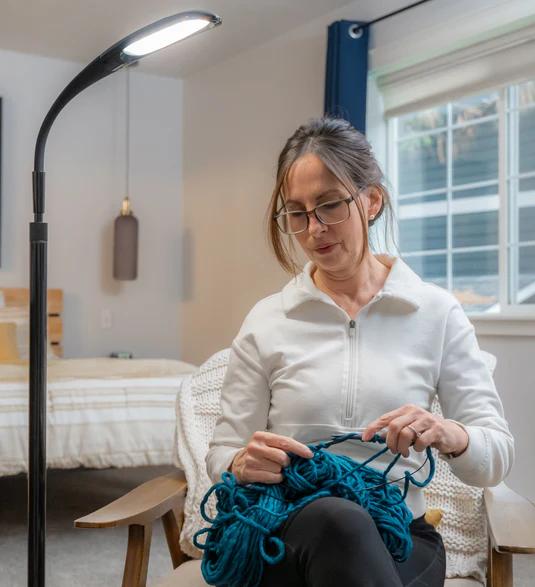
For professional tailors, dedicated quilters, and intricate fiber artists, the margin between a flawless seam and a frustrating, time-consuming mistake is often determined by a single factor: workspace illumination. Standard overhead lighting and generic desk lamps are notoriously inadequate for textile work, routinely causing rapid eye strain, severe color-matching errors, and casting harsh shadows directly across your sewing machine. Upgrading your creative studio with a sleek, high-performance black task light not only modernizes your aesthetic but delivers the clinical-grade visual clarity required to safeguard your ocular health. By integrating advanced optical technology from Stella Lighting into your workflow, you are securing the absolute best sewing light available, ensuring that every hour spent at your workstation is visually comfortable and perfectly precise.
The Hidden Visual Costs of Subpar Craft Illumination
Textile arts place unique, heavy demands on human vision. Unlike standard reading or computer-based administrative work, sewing requires your eyes to constantly resolve micro-details under varying degrees of physical contrast.
When you operate under cheap incandescent bulbs or low-tier fluorescent tubes, you subject your eyes to multiple invisible stressors:
Low Contrast Fatigue: Stitching dark threads onto dark fabrics (like navy blue on black Aida cloth) absorbs massive amounts of ambient light. Without a concentrated, high-intensity beam, your pupils are forced to dilate aggressively, rapidly accelerating muscular eye fatigue.
Color Distortion: Standard consumer bulbs often feature a low Color Rendering Index (CRI), emitting a muddy yellow or harsh blue tint. This completely distorts how your brain perceives subtle thread hues, making accurate color blending practically impossible.
Thermal Discomfort: Traditional bulbs generate immense radiant heat. Positioning them close enough to illuminate your needle point makes your workspace uncomfortably hot and risks damaging delicate synthetic fibers.
Form Meets Function: The Advantage of a Black Task Light
While optical performance is paramount, the physical design and aesthetic footprint of your equipment also dictate the professionalism of your workspace.
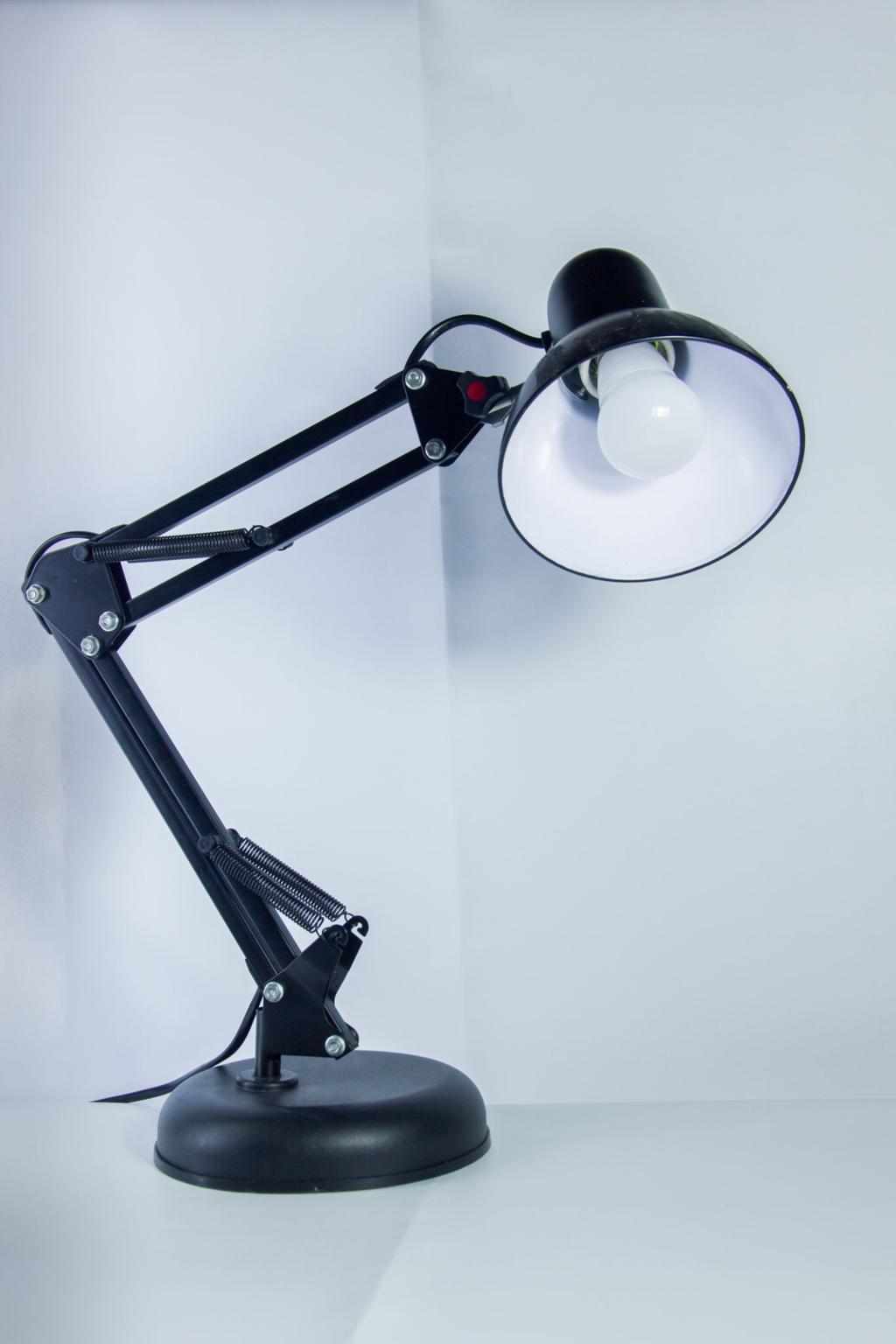
Choosing a matte black task light offers distinct ergonomic and aesthetic advantages for a creative studio:
Glare Reduction: A matte black finish absorbs stray ambient light rather than reflecting it. This prevents annoying glare from bouncing off the lamp's arm into your eyes while you work under intense illumination.
Visual Focus: The sleek, dark profile seamlessly blends into the background of your peripheral vision, allowing your eyes to remain entirely locked on the brilliantly lit fabric in front of you.
Industrial Durability: Black metal fixtures inherently project a modern, industrial aesthetic that looks at home next to heavy-duty sewing machines, sergers, and cutting mats, hiding daily wear and dust far better than glossy white alternatives.
Defining the Best Sewing Light: Core Technological Requirements
To achieve uncompromising clarity without inducing eye strain, your task lighting must go beyond basic lumen output. Professional crafters require engineered fixtures built with specific, clinical-grade optical capabilities.
1. High Color Rendering Index (95+ CRI)
The Color Rendering Index measures how accurately a light source reveals true colors compared to pure natural sunlight. A high-CRI light (scoring 95 or above) ensures that the red, blue, and green hues in your fabric palette appear vibrant and completely true to life. This is the single most important metric for eliminating costly color-matching mistakes during complex quilting or embroidery projects.
2. Tri-Spectrum Color Temperature Tuning
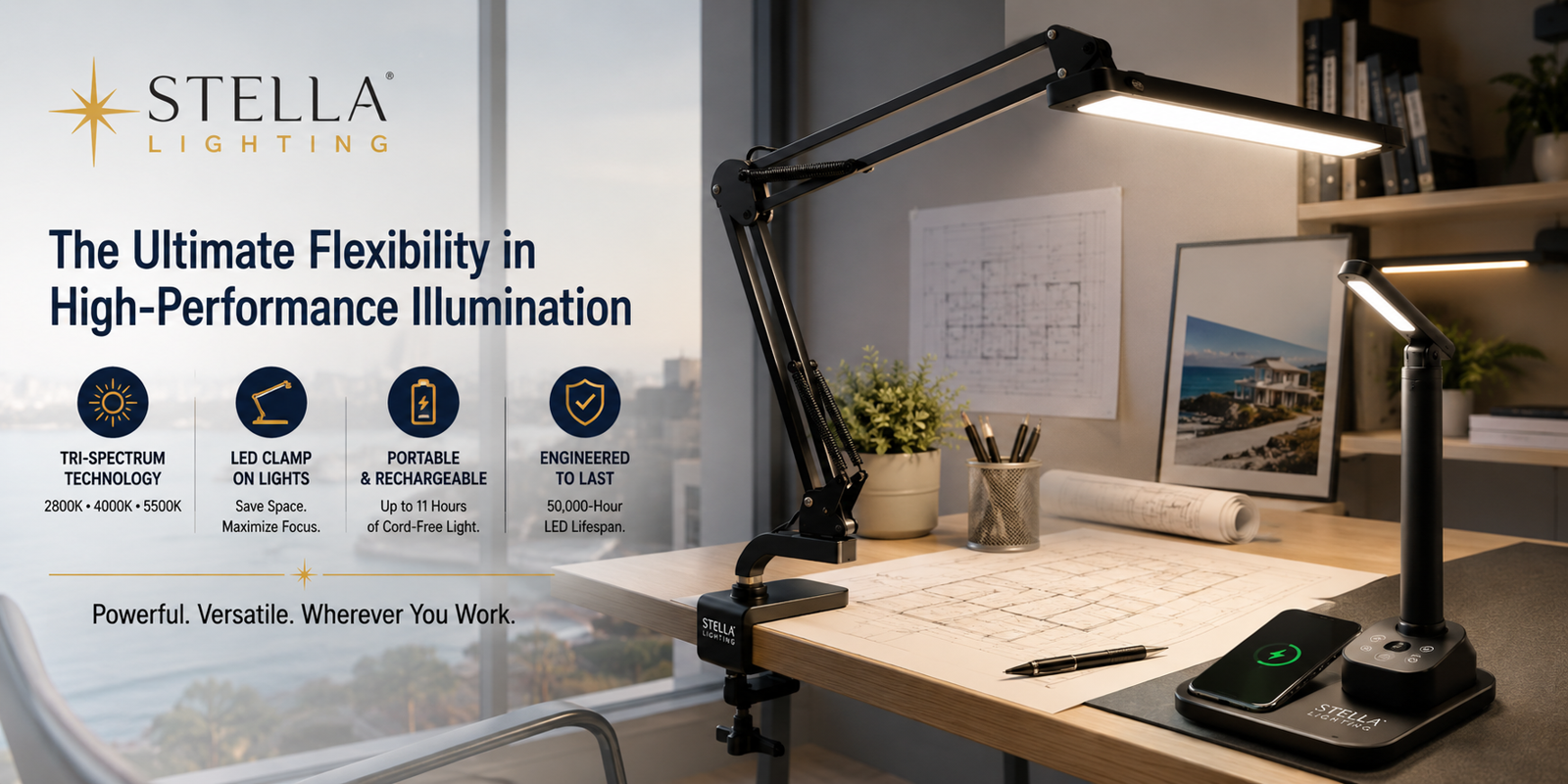
Because natural light shifts throughout the day, your eyes respond differently depending on the color spectrum in the room. The industry's top task lamps feature Tri-Spectrum controls, allowing you to seamlessly toggle between three vital settings:
Cool White (5500K): A high-contrast, brilliant daylight simulation ideal for counting microscopic threads, threading needles, and working on intricate embroidery hoops during the day.
Natural White (4000K): A balanced spectrum perfect for general sewing machine work, pattern tracing, and cutting fabric.
Warm White (2800K): Soft, soothing illumination designed for late-night stitching. It minimizes harsh blue-light exposure, protecting your natural sleep cycle while still providing sharp contrast.
3. Shadow-Free Articulation & Zero Heat Output
A rigid lamp body will inevitably cast your own hand's shadow exactly where your needle operates. A segmented steel gooseneck or multi-jointed arm allows you to bend and angle the light head directly over your focal point from any direction. Furthermore, premium, high-efficiency LEDs produce zero radiant heat, keeping your workspace cool and comfortable during marathon sewing sessions.
Stella Lighting: The Gold Standard in Craft Illumination
Stella Lighting engineers specialized task lamps derived from medical and low-vision research, making them the ultimate choice for crafters demanding optical perfection.
Best Practices for Setting Up Your Sewing Station
To extract the maximum visual benefit from your clinical-grade task lamp, implement these professional setup rules:
Offset Your Dominant Hand: Always position the lamp base on the side opposite your dominant hand. If you guide fabric with your right hand, place the lamp on your left. This ensures your arm never casts a shadow over the presser foot.
Maximize Proximity: Light intensity degrades exponentially over distance. Because Stella LEDs generate no heat, pull the flexible neck down so the light head is just inches away from your fabric. This drastically sharpens the contrast of the weave.
Maintain Ambient Harmony: Never sew in a pitch-black room with only your task light turned on. Keep a soft level of ambient background lighting active in the room to eliminate the high-contrast fatigue caused when your eyes shift away from the bright needle point.
Frequently Asked Questions (FAQ)
Why is a black task light preferred by many professional tailors and designers?
A matte black finish minimizes surface reflections and ambient glare, allowing the lamp to fade into the background of your peripheral vision. This keeps your visual focus entirely concentrated on the illuminated workspace and the precision of your stitches.
Is an LED lamp bright enough to see dark thread on dark fabric?
Yes, provided it utilizes high-output diodes. Stella Lighting fixtures use top-tier Philips Lumiled LEDs to produce up to 1,400 lumens. When combined with the Cool White (5500K) spectrum, this creates the intense, clinical-grade contrast necessary to easily resolve dark-on-dark details.
Do LED craft lamps produce heat that could damage delicate fabrics?
No. Advanced Stella LED arrays draw minimal power (approximately 10 watts) while producing maximum lumen output. The light head remains completely cool to the touch even after hours of continuous use, ensuring delicate silks and synthetics remain completely safe from thermal damage.
Conclusion
Mastering your craft and protecting your long-term visual health requires abandoning weak, yellowed household lighting in favor of professionally engineered optical tools. By upgrading your studio with a sleek, highly adjustable black task light, you instantly reclaim your workspace aesthetic while eliminating the harsh shadows and glare that disrupt your creative flow. When you invest in the clinical-grade clarity, 95+ CRI color accuracy, and Tri-Spectrum technology of Stella Lighting, you are securing the definitive best sewing light on the market today. Empower your creativity, safeguard your eyesight, and experience the joy of flawless, fatigue-free stitching for years to come.

Write a comment ...